Chronic Pain Chronic pain is discomfort (an undesirable feeling of pain) that lingers or advances over an extended period of time. In contrast to sharp pain that arises unexpectedly in feedback to a specific injury as well as is usually treatable, persistent pain continues gradually and is often resistant to medical treatments.
What is the best pain medication for chronic pain?
Tricyclic antidepressants used in the treatment of chronic pain include amitriptyline and nortriptyline (Pamelor). Serotonin and norepinephrine reuptake inhibitors (SNRIs) that may be prescribed to relieve chronic pain include duloxetine (Cymbalta), venlafaxine (Effexor XR) and milnacipran (Savella).
Your physician will adjust your dose to gradually taper you off the medicine. Inform your doctor immediately if you have withdrawal symptoms when you stop taking either of these medicines. This is not a complete listing of medicine communications for tramadol as well as hydrocodone. If a medical professional suggests you either of these narcotics, make sure you provide a complete checklist of various other medications you're requiring to stay clear of harmful interactions.
What is the strongest muscle relaxer medication?
Tramadol is a synthetic (man-made) pain reliever (analgesic). Tramadol is not a nonsteroidal anti-inflammatory drug (NSAID), therefore, it does not have the increased risk of stomach ulcers and internal bleeding that can occur with NSAIDs.
Clonidine must not be made use of with various other muscle mass depressants. Taking it with similar drugs raises your threat of negative effects. As an example, taking clonidine with tizanidine can trigger extremely low blood pressure. Muscular tissue depressants can likewise create withdrawal symptoms, such as hallucinations or seizures (picking up things that aren't actual). Do not instantly stop taking your medicine, especially if you've been taking it for a long time.
Low degrees of potassium or magnesium in the blood might additionally raise your danger of QT prolongation. This threat might enhance if you utilize particular medicines (such as diuretics/" water tablets") or if you have problems such as serious sweating, diarrhea, or throwing up. Though it aids many people, this drug might sometimes cause addiction. If you have a material usage problem (such as overuse of or dependency to drugs/alcohol), this risk may be higher.
Shoulder As Well As Neck Pain
- When used, larger dosages of naloxone may be needed compared to various other opioid overdoses.
- Gastric lavage may be beneficial in very large (over 2.5 grams) current intakes.
- Of note, there is some debate over the use of naloxone in tramadol overdoses for its theoretical possibility to speed up seizures.
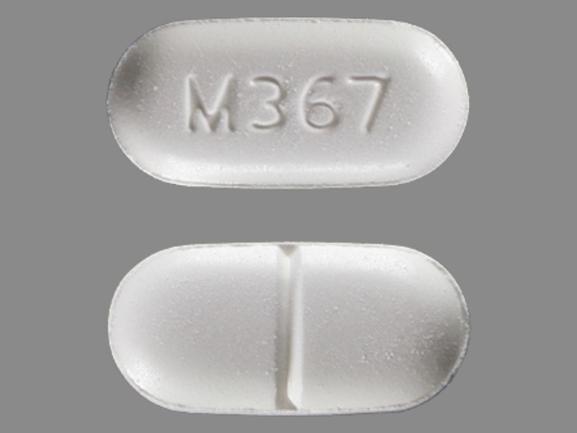
Can you take Tramadol at night?
Gabapentin and tramadol are used to treat different types of pain. Tramadol is an opioid pain reliever (analgesic) used to manage moderate to moderately severe pain. Brand names for gabapentin include Neurontin, Horizant, and Gralise. Brand names for tramadol include Ultram and ConZip.
It is believed that this helps obstruct pain signals in your spine. Tramadol as well as hydrocodone are two types of potent pain relievers called opioid anesthetics. They're usually made use of to deal with moderate to extreme pain, such as lasting pain pertaining to cancer or various other chronic conditions. Hydrocodone is meant for extreme chronic pain when nonopioid painkiller, such as advil and also acetaminophen, haven't aided.
This indicates the tramadol is gradually launched into your body over either 12 or 24 hr. This sort of tramadol takes longer to start functioning however lasts longer. Tramadol drops, shots and some tablet computers and also capsules are fast-acting.
Why does nerve pain get worse at night?
Conclusion: In healthy volunteers, a single dose of tramadol 50 mg disturbs sleep in the night of drug application. With 100 mg, sleep is disturbed in both the night of drug application and in the subsequent night.
Prior to your doctor can suggest an opioid, it is necessary that you discuss all underlying medical problems. Note all your non-prescription and prescription medications as well as supplements. If you've ever had a problem with alcohol or material abuse, inform your medical professional. Do not stop taking the medication, specifically if you have actually taken it for weeks or months.
What is the difference between OxyContin and oxycodone?
Oxycodone is an opiate agonist that is the active ingredient in a number of narcotic pain medications, including Percocet, Percodan, and OxyContin. OxyContin is a specific brand name for a pain medication in the opioid class (narcotic drugs) that contains the extended-release version of oxycodone.